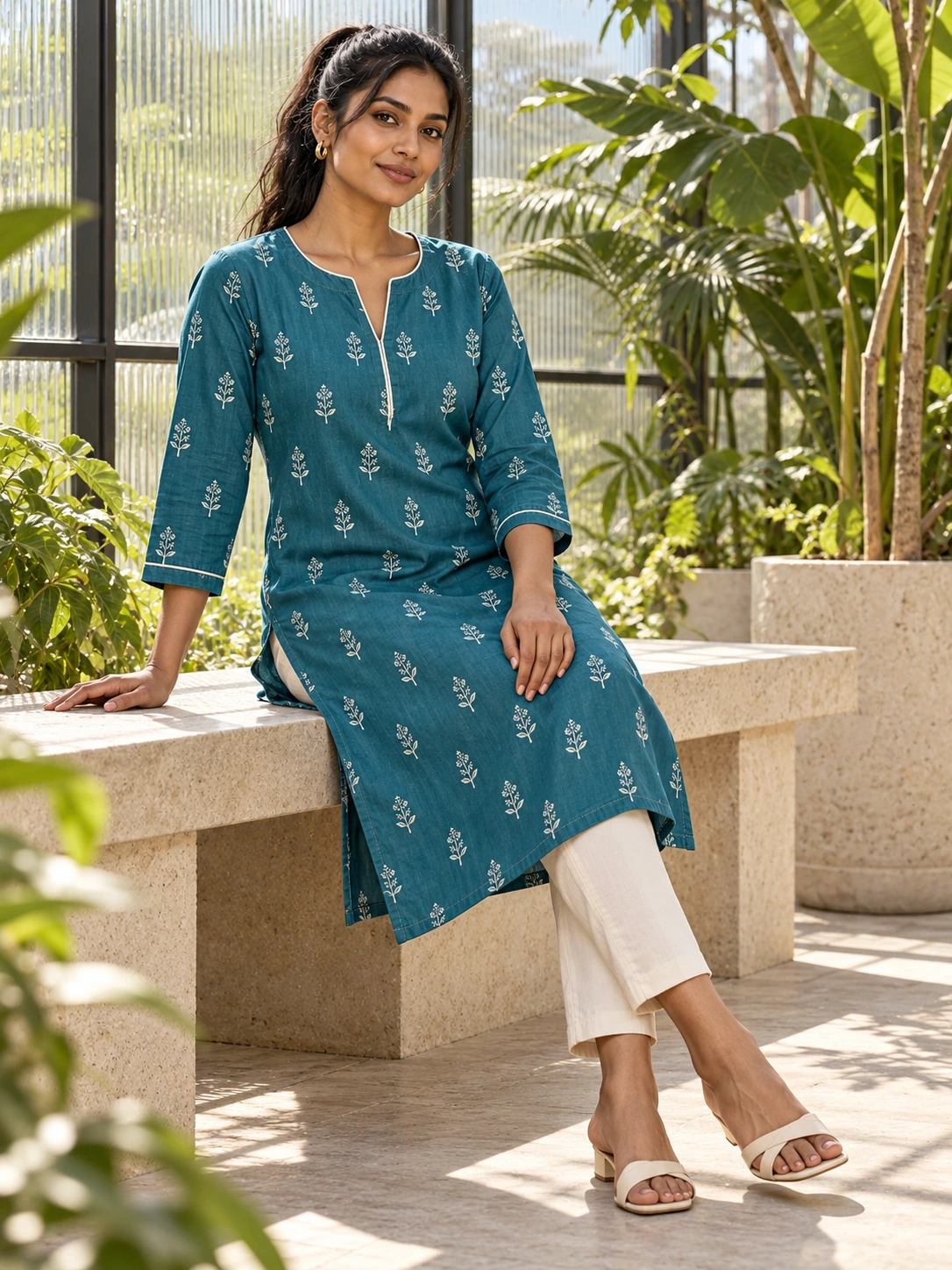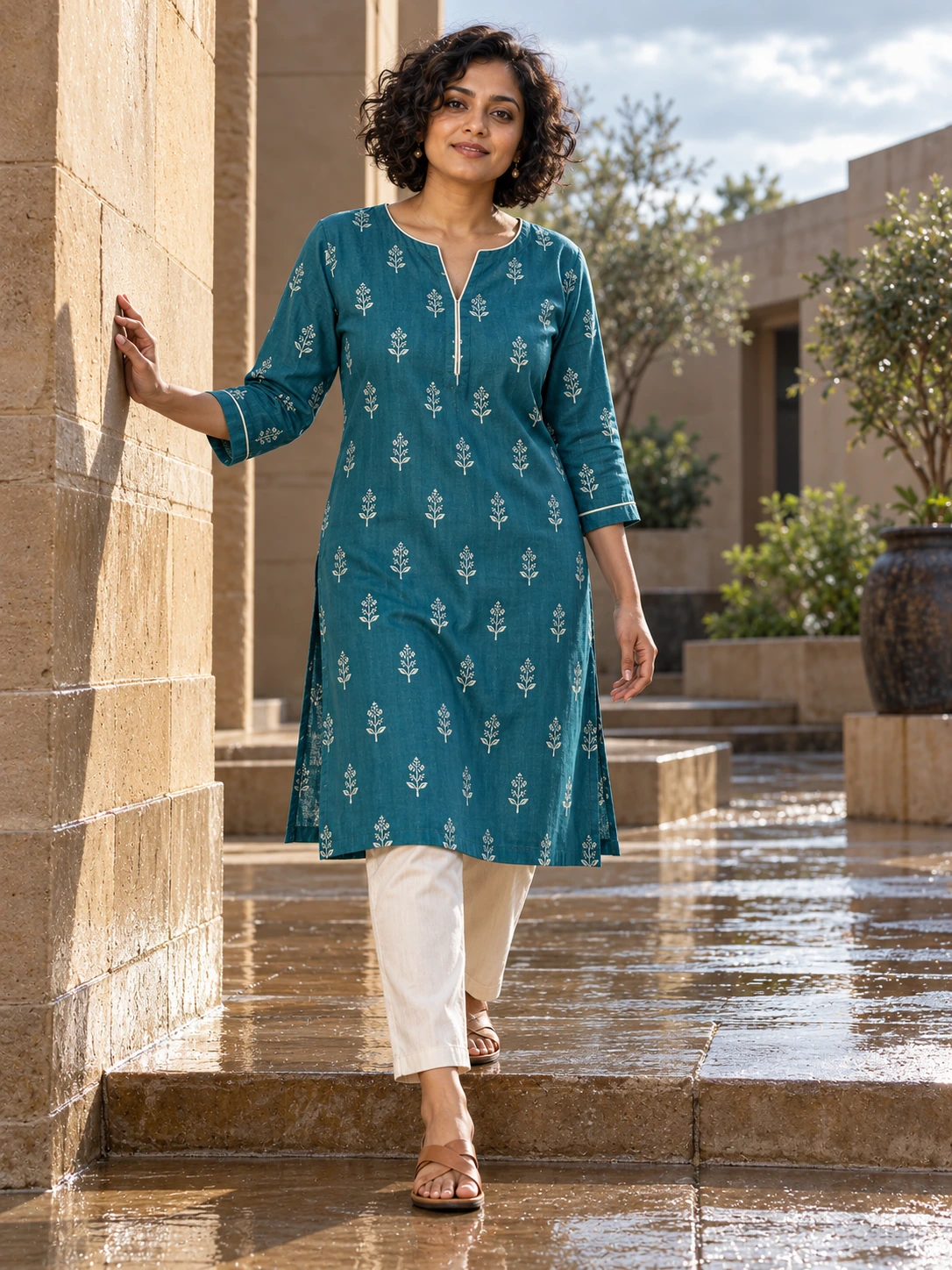
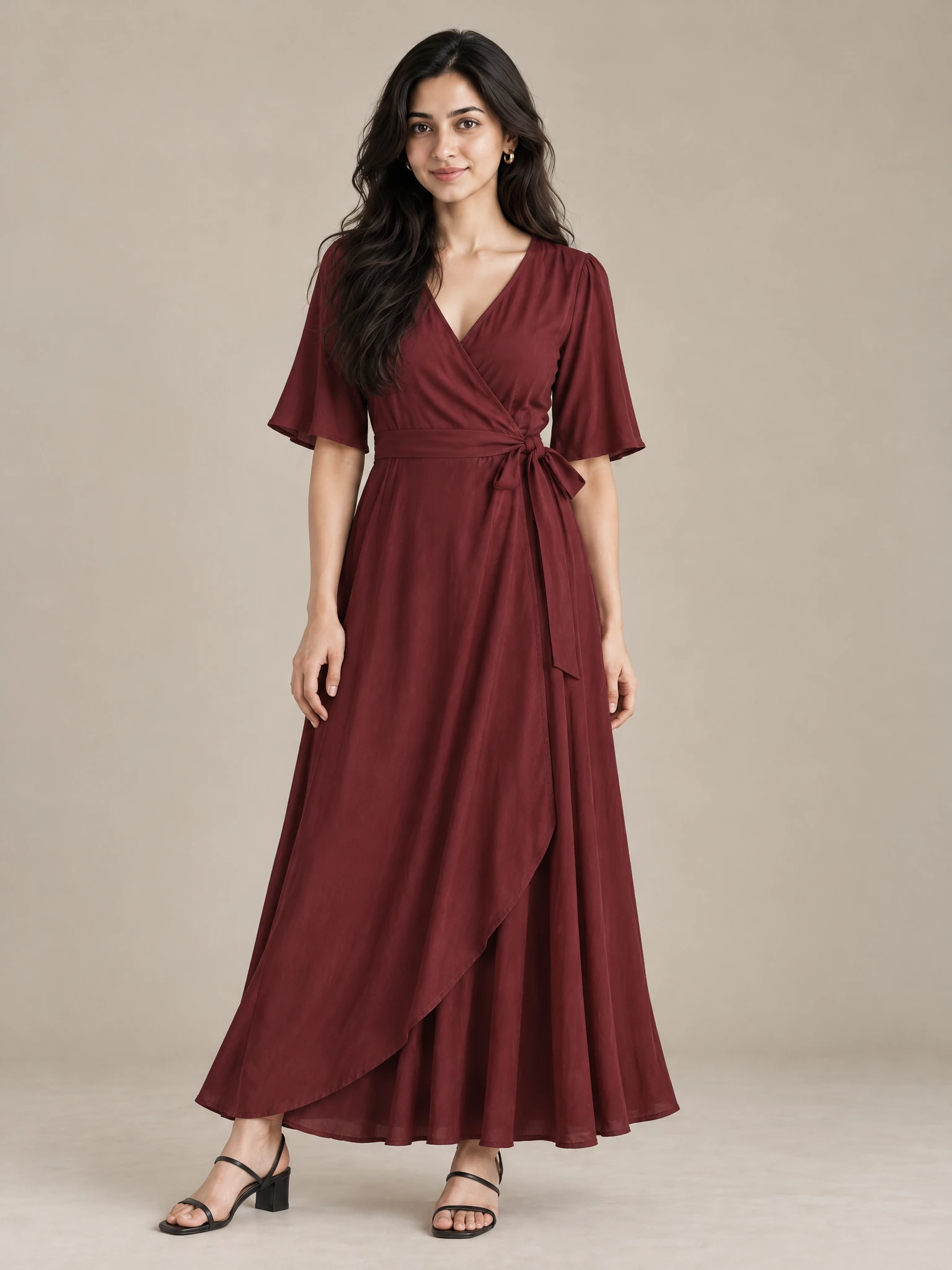
Consistency does not mean making every campaign look identical. It means your choices feel related when a customer moves from one garment to the next. For a small label, that relationship can come from a handful of decisions you make before generation begins.
Write those decisions down in language your team can use. “Premium” or “fresh” may be a starting feeling, but they do not tell someone how much space to leave around a model or what kind of light to choose. Specific direction makes review faster and helps the collection keep its point of view.
Choose the feeling before the treatment
Start with the customer moment you want to create. Is the garment for a bright daytime plan, a slow evening, a celebration or an everyday uniform? Pick two or three words that describe that moment, then translate each word into something visible.
- Light: soft, direct, diffused or gently contrasted.
- Space: open, intimate, architectural or close to the garment.
- Energy: still, playful, assured or quietly expressive.
- Colour: a restrained palette, a warm accent or a clear contrast.
Set rules for the person and the frame
Choose a model reference that fits the label’s point of view and is comfortable to reuse across a collection. Decide how much of the person should be visible in the main image. A full-length frame may help customers understand proportion, while a closer crop may help a detail lead. Both can belong to the same direction when the choice is intentional.
Use style references to show the setting and composition you want to repeat. Look for examples with a clear relationship between subject and background. If the reference is busy, decide which part of it matters: the light, the colour, the pose or the arrangement. Carry one strong idea into the next image instead of copying every surface detail.
Make the direction easy to review
Before generating a group of images, create one test image with one garment. Review it against the direction you wrote down. If it feels off, change the direction in plain terms: move closer to the product, reduce the background activity, soften the light, or give the model a calmer pose.
Save the images that represent the label well. They become useful references when you plan the next collection, especially when several people contribute to the work. Your saved choices can guide a new garment without forcing every campaign into the same scene.
Small-label consistency checklist
- Can another person describe the visual direction from your notes?
- Are model and style references selected for a clear purpose?
- Does the frame show the garment at the scale customers need?
- Do colour, light and background support the product rather than compete with it?
- Have you saved one or two images that genuinely represent the label?
A recognisable feed grows from repeatable choices. Keep the rules small enough to use, specific enough to guide a shoot, and open enough to let each garment have its own character.